The modern home is more than just a shelter; it is an ecosystem that interacts with our environment and finances. Traditionally, maintenance was reactive: waiting for a breakdown before replacing with a standard model. Now, a shift toward conscious homeownership is recognizing that maintenance and improvements impact global resources and financial health.
With a sustainability perspective, properties are seen as interconnected systems. Enhancing one area can reduce strain on another; efficient air retention eases climate systems, and smart water management protects foundations and ecosystems. Transitioning to eco-friendliness doesn’t require a disruptive change but is about making deliberate, quality choices in property management. Combining preventative maintenance with structural improvements creates a healthier, cost-effective, and eco-friendly living space.
Lock In Your Climate Control by Sealing the Gaps

The boundary separating your indoor space from outdoor elements is the building envelope. When this is compromised by gaps, cracks, and improper barriers, your home loses energy. In winter, warmth escapes, and in summer, heat enters, creating costly drafts. Strengthening this boundary is a high-return investment for comfort and sustainability.
Before investing in mechanical systems, ensure your home retains conditioned air. Identify energy loss by performing a DIY draft check. On a windy day, light incense and pass it around windows, doors, baseboards, and outlets. Where smoke wavers or blows horizontally indicates an air leak needing attention.
- Seal Openings Wisely: Apply high-quality exterior silicone caulk to fixed joints around window frames and door trims. For operable components, install heavy-duty EPDM rubber weatherstripping along the tracks to create an airtight seal when closed.
- Target Hidden Voids: Look beneath the living spaces. Use expanding polyurethane foam to seal the significant gaps around outdoor plumbing penetrations, dryer vents, and electrical conduits in your basement or crawlspace.
- Focus on the Top: Attics are notorious for the stack effect, where warm air rises and escapes through small openings around recessed lights and chimney chases. Sealing these bypasses keeps conditioned air where it belongs.
Once the obvious drafts are neutralized, it is time to look at structural thermal barriers. Many older homes suffer from degraded or insufficient barrier material inside the walls and floorboards, which allows raw heat to transfer directly through the framing. Bringing in a certified insulation contractor to evaluate your property with thermal imaging cameras can reveal invisible gaps where your home is bleeding energy. These professionals can inject dense-pack cellulose or install eco-friendly denim insulation into unconditioned spaces, providing a seamless barrier that dramatically drops your heating and cooling demands.
Do not overlook your attached storage spaces during this process. Attached garages frequently act as massive thermal bridges, transferring freezing winter air or blistering summer heat straight through the shared walls of your living space. Upgrading to modern, insulated garage doors prevents these unconditioned zones from becoming energy sinks. Look for options featuring high R-values and complete perimeter weather seals, which ensure that your garage acts as a protective buffer rather than an entry point for thermal waste.
Optimize Heating and Cooling Without Wasting Energy
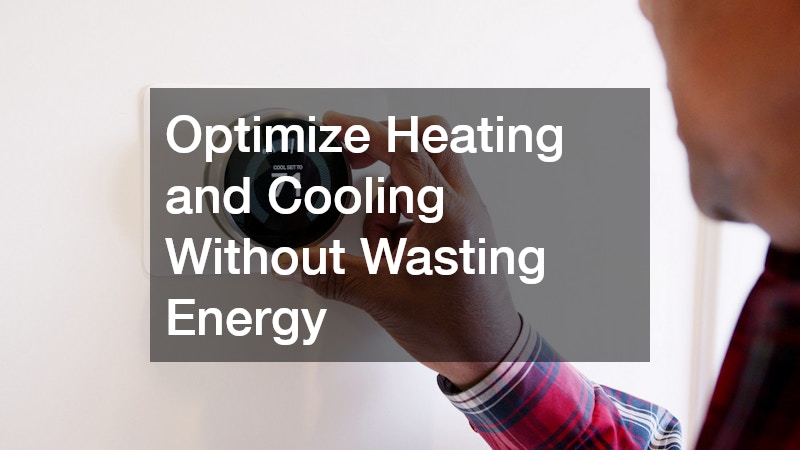
Heating and cooling account for more than half of the energy consumption in an average home. Optimizing your indoor climate strategy is crucial for green home upkeep. Sustainable climate management is about using advanced zoning practices and efficient technology without sacrificing comfort.
Smart habits can reduce your climate footprint cost-free. Program your thermostat to adjust based on your routine, aligning indoor temperatures closer to outdoor levels when you are away or asleep. Adjusting the thermostat by one degree for eight hours can save about one percent on your energy bill.
- Change Filters Diligently: Replace your mechanical filters every thirty to ninety days. A dust-clogged filter chokes airflow, forcing the system motors to run longer and draw significantly more electricity to move the same volume of air.
- Maintain Clear Perimeters: Keep your outdoor condenser units completely free of leaves, tall grass, and debris. Restricting the airflow around these units prevents efficient heat exchange, driving up energy consumption.
- Embrace Zoning: Use smart radiator valves or duct dampers to condition only the rooms you are actively occupying, rather than wasting energy on empty guest bedrooms or storage areas.
When your existing equipment nears the end of its operational life, avoiding standard, baseline replacements is critical. Forward-thinking HVAC companies can design and install modern heat pump systems, which represent a massive leap forward in sustainable tech. Unlike traditional furnaces that burn fossil fuels to generate raw heat, heat pumps use electricity and eco-friendly refrigerants to move existing heat from one place to another. This process allows them to operate at up to three hundred percent efficiency, even in cold climates, drastically cutting greenhouse gas emissions.
To maximize the impact of your mechanical climate systems, you can pair them with passive architectural adjustments that control solar radiation. Installing custom, insulating window treatments is an incredibly effective way to manage indoor temperatures naturally. Cellular shades, also known as honeycomb shades, trap a layer of air within their built-in pockets, creating a powerful barrier against summer solar heat gain and winter heat loss. By opening these shades during sunny winter days to harvest natural warmth and dropping them during blistering summer afternoons, you reduce the workload on your heating and cooling equipment by a massive margin.
Eco-Friendly Water Systems and Low-Flow Tech
Fresh water is one of our most precious and increasingly strained resources. Homes waste thousands of gallons of water yearly through leaks, outdated fixtures, and high-volume systems. Upgrading to low-flow alternatives and focusing on maintenance helps protect watersheds and reduces the energy needed to heat and pump water.
Reducing indoor water use begins with small upgrades to frequently used fixtures. Installing high-efficiency aerators on faucets mixes air into the water stream, maintaining pressure while reducing water volume by up to thirty percent.
- Audit for Silent Leaks: Put a few drops of food coloring into your toilet tanks. If color seeps into the bowl within fifteen minutes without flushing, you have a leaking flapper valve that is silently wasting hundreds of gallons of water a day.
- Optimize Shower Delivery: Switch to a high-efficiency showerhead with a flow rate of 1.75 gallons per minute or less. Modern designs use specialized spray patterns to deliver a powerful rinse while using significantly less water.
- Deploy Greywater Systems: Where local regulations allow, divert the drainage from your washing machine and bathroom sinks to an outdoor greywater system to irrigate your non-edible landscape plants safely.
When it comes to systemic water efficiency, your hot water delivery architecture holds massive potential for green improvement. Partnering with professional plumbing services to transition from a standard, continuously running storage tank to an on-demand, tankless water heater eliminates standby energy loss completely. These compact units only heat water the exact moment a tap is opened, ensuring you are never burning energy to keep forty gallons of water hot in an empty house. Furthermore, a licensed plumber can insulate your exposed copper hot water pipes, allowing water to arrive at your fixtures hotter while reducing the time you spend waiting at the tap.
If you are planning comprehensive structural alterations, prioritizing water conservation during bathroom renovations can yield exceptional long-term ecological benefits. Swapping out old, high-volume toilets for modern EPA WaterSense-labeled dual-flush models allows users to choose a ultra-low-volume flush for liquids, saving thousands of gallons annually per person. During these rebuilds, look for vanity materials crafted from sustainably harvested bamboo or recycled concrete, and ensure your contractor installs smart leak-detection valves beneath the subfloor to automatically shut off the water main if an internal pipe failure ever occurs.
Protect Your Home’s Shell from the Elements Naturally
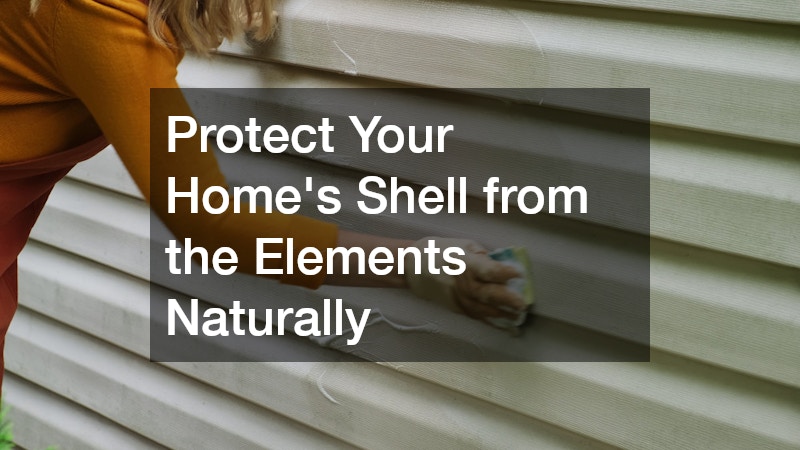
The exterior surfaces of your home face constant exposure to wind, rain, UV radiation, and temperature changes. Sustainably maintaining this shield involves choosing durable, eco-friendly materials that need minimal chemical treatments and implementing strategies for managing storm runoff. An effective exterior prevents moisture intrusion, protecting insulation and indoor air quality.
Managing stormwater effectively is essential for sustainable property maintenance. Rain from a traditional roof can overwhelm municipal sewer systems by collecting pollutants. Redirecting downspouts into rain barrels or on-site rain gardens with native plants can naturally absorb and filter water.
- Plant Native Groundcovers: Replace water-thirsty turf grass along your home’s perimeter with native groundcovers. These require zero synthetic fertilizers and develop deep root networks that hold soil in place.
- Keep Gutters Clear: Clean your drainage channels at least twice a year to prevent water from backing up, spilling over, and rotting the wooden fascia boards or eroding the soil around your foundation.
- Choose Lighter Tones: When painting or replacing exterior surfaces, opt for lighter, reflective colors that bounce solar radiation away, lowering the urban heat island effect around your property.
Over time, continuous exposure to harsh elements can cause exterior components to sag, crack, or pull away from the main structure. Staying on top of routine gutter repair is essential to ensure that massive volumes of rainwater are channeled safely away from your siding and foundation walls. If your gutters are leaking, sagging, or pulling free from their hangers, water will spill down the sides of your home, leading to mold growth, rot, and localized soil erosion that compromises the stability of your outdoor spaces.
When your exterior siding needs replacement, seek materials with long-term durability and a low environmental impact. Consulting certified siding companies can help explore modern, green alternatives like fiber-cement or engineered wood siding. Fiber-cement, made from sustainable sand, cement, and cellulose fibers, is fireproof, rot-resistant, and long-lasting without needing frequent repainting. Expert installation teams can also add a layer of rigid foam insulation beneath the new siding, providing extra thermal protection for your home.
Prepare Your Electrical Grid for Clean Energy
As society transitions away from fossil fuels, our homes increasingly rely on clean electricity to power everything from vehicles to cooking appliances. Electrification is a crucial step toward sustainability, requiring an electrical infrastructure capable of managing these new, high-demand loads. By modernizing your electrical distribution and maintaining drainage lines, you ensure your home can support clean technology effectively.
Maximizing your electrical efficiency starts with addressing hidden energy drains in your living spaces. Many modern electronics draw power even when turned off, known as vampire power draw. Connecting entertainment centers and home office setups to smart power strips automatically cuts power to peripheral devices when the main appliance is not in use.
- Transition to Smart LEDs: Replace every remaining incandescent and halogen bulb with smart LEDs. They use up to eighty percent less energy and last for decades, significantly reducing electronic waste.
- Monitor Electrical Loads: Install an energy monitor inside your breaker panel to track real-time power consumption across individual circuits, helping you pinpoint exactly which appliances are wasting power.
- Utilize Natural Daylight: Arrange your interior living spaces to maximize natural daylighting, reducing the need for artificial overhead lighting during the morning and afternoon hours.
To prepare your property for major green upgrades like solar panel arrays, whole-home battery backup systems, and fast electric vehicle charging stations, you’ll likely need professional electrical upgrade services. A certified electrician can replace an outdated, dangerous fuse box or Max-amperage electrical panel with a modern, smart circuit panel. These advanced panels give you control over your home’s power distribution, enabling you to program your car to charge when solar power is abundant or grid electricity rates are at their lowest.
True home sustainability extends to the subterranean drainage lines that handle wastewater. Maintaining these systems without toxic, store-bought chemical cleaners is vital for preserving regional water quality. Professional drain jetting is an excellent, eco-friendly habit that uses highly pressurized, pure water to remove stubborn grease, scale, and root intrusions from your pipes. This mechanical method restores pipe capacity without harsh acids or chemicals contaminating local soils and waterways.
Transform your living space into a sustainable sanctuary through smart maintenance and strategic upgrades. This process rewards careful planning and quality. By shifting to proactive, eco-conscious stewardship, you can create a home that withstands climate changes and minimizes environmental impact.
Every property improvement has positive effects. Sealing air leaks and improving your thermal envelope reduces energy use and eases pressure on climate control systems. Upgrading fixtures and maintaining drainage lines prevents water waste and protects the local ecosystem. Structural choices for your home’s exterior create a durable, low-maintenance shield for the future.
Remember that sustainability and financial pragmatism go hand in hand. The upgrades that lower your carbon footprint can also reduce utility costs, emergency repairs, and boost property value. Start with one area, like weatherstripping doors or consulting a professional. Taking the first step means setting your home on a path to a cleaner, more efficient, sustainable future.