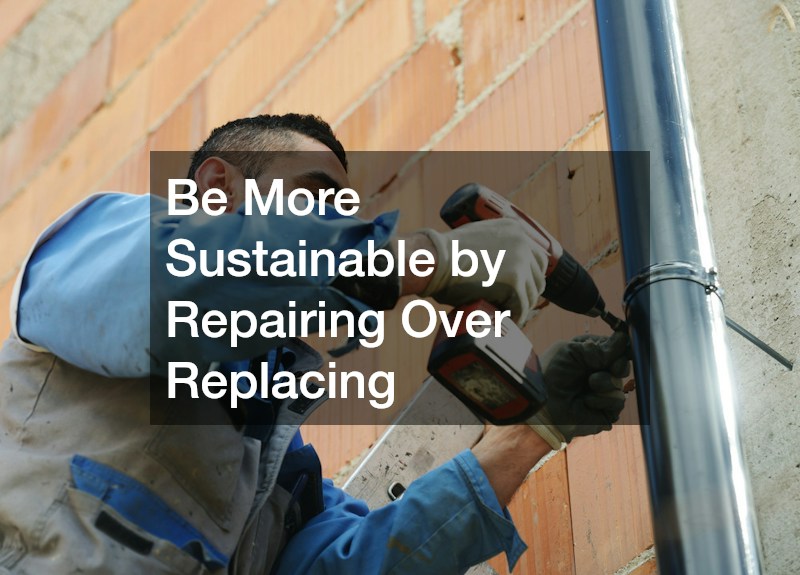
The modern approach to living sustainably often focuses on purchasing green innovations, whether that means upgrading to the latest energy-efficient appliances, installing solar panels, or selecting non-toxic materials for a home renovation. While investing in eco-friendly technology is valuable, one of the most effective ways to lower a home footprint is often overlooked: extending the lifespan of what is already owned. Choosing to fix household systems and appliances instead of discarding them reduces waste, conserves raw materials, lowers manufacturing demand, and saves money. Embracing a mindset centered on maintenance transforms how a home operates, creating a truly sustainable living space rooted in resourcefulness.
Every manufactured item represents a significant investment of planetary resources. From the extraction of metals and minerals to chemical processing, factory assembly, and international transport, the embodied energy of home equipment is immense. When a major appliance or climate control system is thrown away prematurely, all the environmental costs associated with making a new unit are incurred again. By prioritizing maintenance and fixing existing components, homeowners keep functional materials out of landfills and prevent unnecessary industrial emissions. Shifting from a disposable lifestyle to one focused on preservation is a practical step toward creating an environmentally responsible household.
Understanding the Environmental Impact of Home Systems

Assessing the True Ecological Footprint of Manufacturing
When an appliance or home heating unit breaks down, the impulse is often to replace it with a brand-new model. However, the environmental footprint of producing a single new unit includes mining virgin metals, refining plastics, and burning fossil fuels during production and shipping. A major climate control system or water management setup requires complex industrial processes long before it ever arrives at a home. By opting to fix existing equipment, you directly reduce the demand for new resource extraction and minimize the carbon emissions associated with global manufacturing.
Beyond the energy required for manufacturing, disposing of old home machinery presents serious environmental hazards. Landfills around the world are overwhelmed by electronic waste and heavy metal components that leach toxic substances into the soil and surrounding groundwater. Many large home systems also contain specialized fluids, such as chemical refrigerants, that must be carefully recovered rather than dumped. Choosing to maintain existing hardware prevents bulky items from contributing to local landfill accumulation and ensures that hazardous components remain safely sealed within functioning systems.
Preserving Climate Control and Heating Equipment

Upkeeping Centralized Cooling and Air Management
Centralized cooling systems are critical for maintaining comfort during warm months, but they consume vast amounts of energy and materials. Keeping these complex networks running efficiently requires routine inspection and minor adjustments rather than complete tear-downs. When air circulation degrades or temperatures fluctuate, seeking professional ac repairs allows homeowners to fix damaged capacitors, clear dirty coils, and restore proper airflow without sending an entire mechanical unit to the landfill.
When major climate control components require extensive work, working with experienced HVAC companies ensures that existing systems are evaluated holistically. Skilled technicians can clear clogged condensate lines, calibrate thermostats, and replace worn electrical relays to keep an older system running smoothly for years. Extending the operational lifetime of a central cooling unit avoids the heavy environmental toll of manufacturing a brand-new assembly.
To maintain these setups properly, check air filters monthly and replace or wash them whenever dust accumulates to prevent strain on the fan motor. Keep the outdoor condenser unit clean by clearing away leaves, overgrown grass, and debris from around the metal fins. Inspect the condensate drain line regularly to ensure water flows freely and does not back up into the indoor housing. Finally, schedule annual professional maintenance to inspect refrigerant lines, electrical connections, and system pressure.
Optimizing Ductless Systems and Targeted Cooling
Ductless cooling units provide flexible, high-efficiency temperature control for specific zones within an eco-friendly home. However, like traditional systems, they require routine attention to function at peak performance. If a wall-mounted unit begins to lose cooling capacity or develops an internal rattle, scheduling a timely heat pump service can resolve mechanical issues early. Fixing a loose fan wheel or topping up refrigerant levels prevents minor friction from turning into total equipment failure.
When installing target cooling systems in new home additions or renovated areas, selecting the right setup from the start saves resources later. Professional mini split ac installation guarantees that lines are properly vacuumed, sealed, and sized for the specific square footage of the space. Proper setup minimizes energy loss and protects internal components from premature wear, ensuring the equipment serves the home reliably for a long duration.
Day-to-day care involves cleaning the reusable air filters inside each indoor head unit every two to four weeks during heavy usage seasons. Ensure indoor unit distribution louvers remain unobstructed by tall furniture, curtains, or wall decor. Clear ice or snow buildup from around the exterior heat exchanger during winter operation to maintain steady airflow. Listen for unusual clicking or buzzing sounds, which indicate electrical issues or loose mechanical mountings that require attention.
Maintaining Conventional Fuel and Burner Systems
Homes that rely on liquid fuel for winter warmth require careful upkeep to ensure combustion remains clean and safe. Over time, soot buildup and nozzle corrosion reduce burner efficiency, leading to higher fuel consumption and greater emissions. Addressing these issues early by hiring qualified heating contractors ensures that fuel lines are flushed, igniters are cleaned, and heat exchangers are checked for micro-cracks, keeping the system operating safely without requiring a full system replacement.
Burner performance is directly tied to the quality and consistency of the fuel supply feeding into the combustion chamber. Running a system on contaminated or degraded heating oil can clog filters, damage fuel pumps, and cause inefficient burns that release unnecessary particulates into the atmosphere. Regular tank maintenance, water removal, and nozzle replacements allow traditional heating systems to run efficiently while minimizing environmental impact.
Inspect the fuel storage tank regularly for signs of rust, corrosion, denting, or weeping around stability seams. Replace the inline fuel filter at the start of every heating season to trap sediment before it reaches the burner. Monitor fuel delivery lines for minor leaks, surface cracks, or loose fittings that could pull air into the oil pump. Keep the area surrounding the furnace or boiler clear of stored items to allow adequate combustion air supply.
Evaluating Upgrades Versus Restoration
Homeowners often face a tough decision when an older climate system suffers a major failure. While marketing campaigns encourage replacing old units with high-efficiency models, the environmental cost of manufacturing a new unit often outweighs the marginal energy savings of a slightly more efficient model. Choosing a complete central air installation should generally be reserved for systems that have reached the absolute end of their functional lives, where structural rust or irreparable compressor failure makes continued operation unsafe.
Before choosing replacement over repair, consider the total lifespan impact of the machinery. Restoring an existing unit through targeted component replacements keeps the bulk of the metal housing and copper tubing in active service. By weighing the embodied carbon of new manufacturing against potential operational efficiency gains, you can make a balanced choice that aligns with sustainable living goals.
Managing Water Infrastructure and Pumping Systems
Caring for On-Site Water Well Equipment
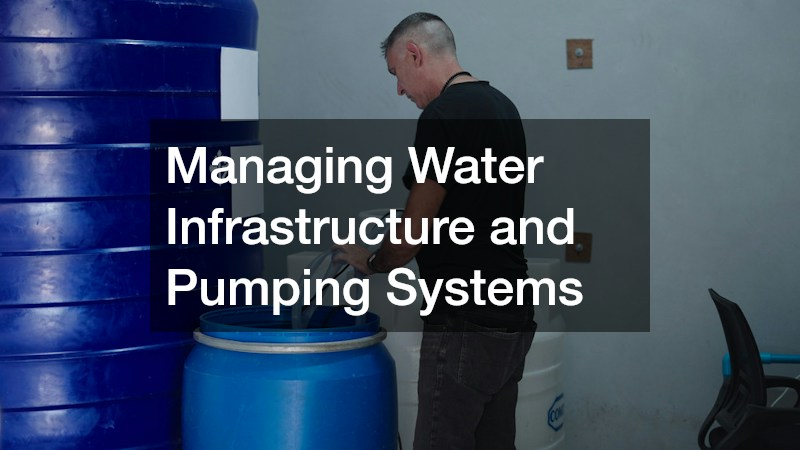
For eco-conscious homes that rely on private wells or rainwater harvesting networks, water delivery systems are vital infrastructure. When water pressure drops or pumps cycle rapidly, it is rarely necessary to dig up lines or replace the entire system. Requesting specialized pump repair services allows technicians to replace failed pressure switches, swap out worn impellers, or fix leaking check valves, fully restoring system performance with minimal hardware waste.
Proper setup of water delivery hardware is essential for preventing long-term mechanical stress on the system. Quality water pump installation involves correct pipe sizing, proper electrical grounding, and precise calibration of pressure tanks to prevent continuous motor cycling. By ensuring your water delivery setup is correctly installed and maintained, you protect the motor from overheating and extend the overall lifespan of the system.
Monitor the system pressure gauge regularly to ensure the pump turns on and off at correct factory-set thresholds. Check the air pressure charge in the diaphragm pressure tank annually to prevent rapid pump cycling. Inspect visible plumbing joints, relief valves, and pressure switches for slow drips or mineral buildup. Shield outdoor pump enclosures from freezing temperatures and high moisture to protect motor windings from corrosion.
Extending the Life of Everyday Household Appliances
Troubleshooting Major Kitchen and Laundry Equipment
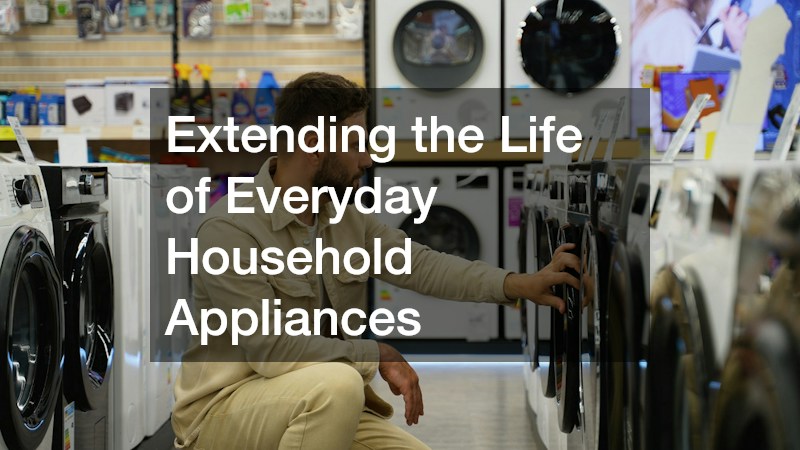
Kitchen and laundry appliances represent a significant portion of household material waste when discarded prematurely. Washing machines, refrigerators, dishwashers, and ovens are often replaced simply because a single internal part fails. Reaching out to local appliance repair companies helps diagnose issues like failed heating elements, worn drive belts, or faulty drain pumps. Replacing an inexpensive single part restores full functionality, preventing a massive metal appliance from ending up in a landfill.
Modern appliances are built with complex electronics that can sometimes fail while the mechanical components remain in excellent condition. Instead of replacing an entire refrigerator when the temperature drops, fixing or swapping a control board, door gasket, or defrost timer can keep the unit running for years. Taking a proactive approach to minor appliance issues saves resources, reduces waste, and keeps your household running efficiently.
Vacuum refrigerator condenser coils twice a year to remove dust build-up and lower compressor operating temperatures. Clean washing machine door seals and lint traps regularly to prevent mold growth and maintain proper drainage. Avoid overloading laundry machines and dishwashers, which strains drive motors, bearings, and suspension springs. Inspect appliance water inlet hoses annually for cracking or bulging, replacing them with braided steel options when needed.
Practical Steps for a Sustainable Home Repair Strategy
Developing Household Maintenance Routines
Building a sustainable home requires a proactive maintenance mindset. Rather than waiting for systems to fail completely, establishing a regular schedule of minor checks and maintenance prevents emergency replacements. Keeping detailed records of service dates, component model numbers, and past repairs helps homeowners track the health of their equipment and make informed decisions about when to fix or replace items.
Establish a seasonal home maintenance calendar to track filter changes, system flushes, and visual inspections. Store instruction manuals, spare parts lists, and warranty details in a centralized file for quick access during repairs. Keep basic diagnostic tools on hand, such as a multimeter, flashlights, and simple hand tools, to troubleshoot minor issues. Learn basic maintenance tasks, such as clearing drain lines and replacing worn gaskets, to resolve simple problems independently.
Knowing When Professional Support is Required
While DIY troubleshooting is valuable, knowing when to call qualified technicians is essential for maintaining safety and equipment integrity. Complex electrical work, pressurized refrigerant handling, and fuel line adjustments require specialized tools and expert knowledge. Working with certified professionals ensures repairs are done safely and correctly, protecting system efficiency and preventing accidental damage.
Professional technicians can also offer useful advice on maintaining existing equipment and identifying minor wear before it causes major failure. Building a reliable network of local service providers allows homeowners to keep household systems running smoothly, supporting long-term sustainability while avoiding unnecessary replacements.
Embracing Resourcefulness for a Greener Future
Choosing to repair household equipment rather than replacing it is a powerful way to reduce environmental impact. Every system kept in service conserves raw materials, lowers manufacturing energy, and reduces landfill waste. Maintaining existing machinery directly supports a circular economic model that values preservation and efficiency over constant consumption.
Living sustainably is built on everyday choices, and prioritizing maintenance is a practical step every homeowner can take. By caring for household equipment, learning basic troubleshooting, and working with skilled technicians, you can keep your home running efficiently while minimizing waste. Embracing repair over replacement creates a more sustainable home and helps build a resilient, resource-conscious future.