Water intrusion and mold growth are among the most disruptive and costly problems a homeowner can face, often developing quietly before becoming visible. A small leak under a sink, a slow roof drip, or even prolonged humidity in a poorly ventilated room can create the perfect environment for mold to grow and structural materials to weaken. What makes these issues especially challenging is that early signs are subtle and easily overlooked until damage spreads.
Many homeowners only realize the severity of the problem when odors become persistent, stains appear on walls or ceilings, or health symptoms begin to surface. By that point, the damage often extends beyond what surface cleaning can fix. Understanding the warning signs early and knowing when to involve professionals can make the difference between a manageable repair and a full-scale restoration project.
This guide breaks down the most important indicators of hidden water and mold issues, how they progress, and what steps homeowners should take to protect both their property and health.
Early Signs Moisture Has Entered Your Home
One of the earliest indicators of a moisture problem is often something you can smell before you can see it. A persistent musty odor, especially in closed-off rooms like basements, laundry areas, or bathrooms, is a strong warning sign. This smell usually indicates trapped moisture behind surfaces or within porous materials.
Other early signs include:
- Slight discoloration or yellowing on ceilings and walls
- Paint or wallpaper beginning to bubble or peel
- Persistent condensation on windows or glass surfaces
- A noticeable increase in indoor humidity or damp air
At this stage, scheduling a mold inspection is critical. A professional evaluation can identify whether moisture has created hidden mold growth behind walls or under flooring. Early inspection helps prevent the issue from spreading into structural materials and HVAC systems.
Homeowners should also pay attention to situations that may require water damage services, such as after a plumbing leak, appliance overflow, or roof leak. Even if the visible water is cleaned up quickly, moisture can remain trapped in drywall or subflooring.
Key actionable steps:
- Check under sinks and behind appliances regularly
- Monitor humidity levels indoors (ideal is typically 30–50%)
- Address leaks immediately, even minor ones
- Use ventilation fans in moisture-prone rooms
Early detection significantly reduces repair costs and limits long-term structural damage.
Hidden Water Damage Behind Walls and Floors
Water damage does not always appear where the source is located. It often spreads silently through insulation, framing, and flooring layers. This hidden progression makes it one of the most dangerous forms of home damage.
Common signs of concealed water damage include:
- Soft or spongy flooring underfoot
- Uneven or sagging ceilings
- Baseboards separating from walls
- Unexpected increases in utility bills due to moisture-related inefficiency
Once water enters structural cavities, professional water restoration becomes necessary to fully extract moisture and stabilize affected areas. This process often involves specialized drying equipment, moisture mapping, and structural evaluation.
In more severe cases, disaster restoration companies are needed to manage widespread damage from flooding, storms, or large-scale leaks. These teams typically handle everything from water extraction to structural drying and rebuilding coordination.
Homeowners should understand that surface drying is not enough. Moisture trapped inside walls can continue causing damage for weeks if not properly addressed.
Practical recommendations:
- Do not ignore subtle floor or wall changes
- Use moisture meters if available
- Act quickly after any flooding or major leak
- Avoid covering damaged areas without inspection
Proper remediation at this stage prevents mold growth and long-term structural deterioration.
Health Symptoms and Indoor Air Quality Issues
Mold and hidden moisture problems often reveal themselves through health symptoms before visible damage appears. Poor indoor air quality can significantly affect respiratory health, especially for individuals with allergies, asthma, or weakened immune systems.
Common symptoms include:
- Chronic coughing or throat irritation
- Headaches that improve when leaving the home
- Watery eyes or sinus congestion
- Fatigue or dizziness in certain rooms
When these symptoms persist indoors, it may indicate hidden mold growth requiring intervention from a mold removal company. These professionals specialize in safely removing contaminated materials and preventing spores from spreading during cleanup.
In older homes, there is also a potential risk of encountering hazardous materials during renovations or damage investigations. In such cases, asbestos services may be required to safely assess and manage materials that could pose health risks if disturbed.
Important actions to take:
- Track whether symptoms worsen in specific rooms
- Inspect areas with prior water exposure
- Avoid disturbing suspected mold growth
- Use air filtration systems temporarily if needed
Ignoring these signs can lead to prolonged exposure and worsening indoor conditions.
When Repairs Require More Than DIY Solutions
While minor home maintenance can address surface-level issues, significant water or mold problems typically require professional intervention. Attempting a large-scale cleanup without proper equipment can often worsen the situation by spreading contamination.
In complex cases, a general contractor may be needed to evaluate the broader scope of damage. They can assess structural integrity, coordinate multiple repair specialties, and ensure compliance with building standards.
Additionally, local remodeling services often play a role in restoring affected areas after remediation. These services help bring damaged spaces back to livable condition, especially when walls, ceilings, or layouts must be rebuilt.
Situations where professional help is essential:
- Recurring leaks despite repeated repairs
- Visible mold returning after cleaning
- Structural weakening or sagging materials
- Water damage affecting multiple rooms
Key advantages of professional involvement:
- Accurate damage assessment
- Coordinated repair planning
- Reduced risk of recurring problems
- Safe handling of contaminated materials
Knowing when to move beyond DIY solutions helps prevent escalating damage and unnecessary expenses.
Structural Damage That Signals Serious Restoration Needs
When water and mold issues persist, they eventually affect the structural integrity of a home. Materials like wood, drywall, and subflooring can degrade over time, leading to safety concerns and costly repairs.
Warning signs of structural damage include:
- Floors that feel uneven or unstable
- Cracks forming in walls or ceilings
- Doors that no longer close properly
- Visible warping or bending in wooden structures
At this stage, an interior remodeling service is often required to restore damaged living spaces. These professionals focus on rebuilding affected interiors while ensuring materials meet current safety and quality standards.
Flooring issues are particularly common after prolonged moisture exposure. Warping, buckling, or soft spots often indicate deeper subfloor damage requiring professional flooring services.
Recommended homeowner actions:
- Avoid walking on visibly weakened flooring
- Document all structural changes over time
- Request full inspections after major water events
- Do not delay repairs once structural issues appear
Addressing these problems early helps preserve the overall stability of the home.
Preventing Mold and Water Damage Before It Starts
Prevention is one of the most effective ways to avoid costly restoration work. Many water and mold problems can be minimized with consistent maintenance and attention to moisture-prone areas.
Preventative strategies include:
- Ensuring proper ventilation in kitchens, bathrooms, and laundry rooms
- Cleaning gutters and downspouts regularly to prevent overflow
- Checking plumbing connections for slow leaks
- Using dehumidifiers in damp areas like basements
Additional long-term habits:
- Inspect roofing annually for damage or missing shingles
- Keep indoor humidity levels controlled year-round
- Seal cracks around windows and foundations
- Replace worn-out caulking in wet areas
Consistent maintenance reduces the likelihood of hidden moisture buildup and helps preserve indoor air quality.
Documenting Damage for Insurance and Recovery
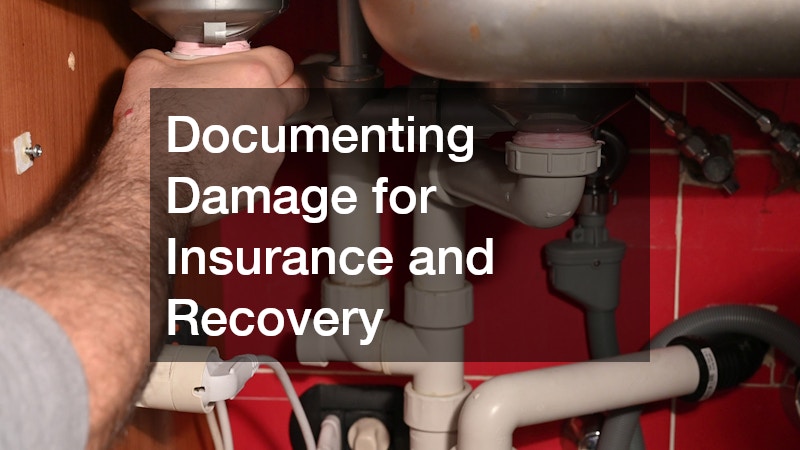
When water or mold damage occurs, proper documentation is essential for insurance claims and repair planning. Without clear records, homeowners may face delays or reduced coverage.
Important documentation steps:
- Take photos and videos immediately after discovering damage
- Record dates of leaks, flooding, or visible mold growth
- Keep receipts for temporary repairs or mitigation efforts
- Track communication with service providers
It is also helpful to obtain professional assessments early in the process, as detailed reports can support insurance evaluations and help establish the extent of damage.
Staying organized during this phase reduces stress and ensures a smoother recovery process.
Choosing the Right Professionals for the Job
Selecting qualified professionals is one of the most important decisions in addressing water and mold issues. Experience, certification, and proper equipment all play a role in successful remediation and restoration.
Key factors to consider:
- Proven experience in water and mold remediation
- Proper licensing and insurance coverage
- Transparent inspection and pricing processes
- Use of advanced moisture detection tools
Homeowners should also look for providers who offer comprehensive services, including inspection, cleanup, and rebuilding coordination. This ensures continuity throughout the restoration process and reduces delays between phases.
Asking for detailed assessments and timelines helps set realistic expectations and ensures accountability.
Restoration Process and What to Expect
Understanding the restoration timeline helps homeowners prepare for each stage of the recovery process. While every situation varies, most projects follow a similar structure, and knowing what happens during each phase reduces confusion and helps homeowners make informed decisions under stressful conditions.
The initial inspection and moisture detection phase is more detailed than a simple visual check. Professionals typically begin by identifying the source of water intrusion, which may not always be obvious. This can include plumbing leaks hidden behind walls, roof failures, or foundation seepage. Advanced tools such as thermal imaging cameras and moisture meters are often used to map out how far water has traveled through building materials. This step is critical because it determines the full scope of the project and prevents damage that could lead to future mold growth or structural issues.
Once the inspection is complete, water extraction and drying begin immediately. Standing water is removed using industrial pumps or vacuums, depending on the severity of the situation. After visible water is eliminated, the drying process continues using air movers and dehumidifiers designed to remove moisture trapped in porous materials like drywall, wood, and insulation. This stage can take several days because even when surfaces appear dry, internal moisture levels may still be elevated. Technicians often monitor humidity and material moisture readings daily to ensure conditions are returning to safe levels.
After drying is underway or completed, mold remediation and contamination removal may be necessary if microbial growth is detected. This stage involves isolating affected areas to prevent spores from spreading to unaffected parts of the home. Contaminated materials such as drywall, carpeting, or insulation may need to be carefully removed and disposed of according to safety protocols. Surfaces that can be saved are treated with antimicrobial solutions and thoroughly cleaned. Air filtration devices are also commonly used during this phase to improve indoor air quality and capture airborne particles.
Structural repairs and rebuilding come next, focusing on restoring damaged components of the home. This may include replacing drywall, repairing framing, reinstalling insulation, or rebuilding flooring systems. In more extensive cases, structural elements such as subfloors or load-bearing supports may need reinforcement or full replacement. This phase often requires coordination between multiple trades to ensure that electrical, plumbing, and HVAC systems are properly restored or adjusted before walls and finishes are closed up again.
The final inspection and clearance phase ensures that all work has been completed to safety standards and that no lingering moisture or contamination remains. Professionals typically conduct a final walkthrough using moisture detection tools and visual assessments to confirm that affected areas are fully restored. Air quality checks may also be performed in cases where mold was present, ensuring that indoor conditions are safe for reoccupation.
Depending on severity, the process can take anywhere from a few days to several weeks. Smaller, localized issues may be resolved quickly, while extensive water damage involving multiple rooms or structural components will naturally require more time. Delays can also occur if materials need to be custom-ordered or if hidden damage is discovered during reconstruction, which often extends the timeline as additional repairs are integrated into the plan.
Coordination between specialists is often required to ensure each stage is completed safely and thoroughly. Water mitigation teams, remediation experts, contractors, and inspectors must communicate effectively to avoid overlapping work or missed steps. Proper sequencing is especially important because rushing one phase can compromise the effectiveness of the next, such as rebuilding before moisture levels are fully stabilized.
Being prepared for temporary disruptions and restricted access to affected areas helps make the process smoother. Homeowners may need to adjust daily routines, relocate furniture, or temporarily avoid certain rooms while work is underway. Planning ahead for noise, equipment placement, and limited access reduces frustration and allows the restoration team to work more efficiently without interruptions.
Seek Out Professional Support Right Away

Water and mold issues can escalate quickly when left unnoticed, often moving from minor inconvenience to major structural concern. Recognizing early warning signs, understanding the risks of hidden damage, and responding quickly with professional support are essential steps in protecting both your home and health.
A proactive approach—combined with regular maintenance and timely inspections—helps prevent long-term damage and ensures a safer, healthier living environment.