Making long-term home improvements is no longer just about comfort, resale value, or curb appeal. For many homeowners, it’s also about reducing environmental impact, conserving resources, and avoiding unnecessary waste. As awareness grows around sustainability and climate responsibility, more people are questioning not just what they improve, but how those improvements affect the environment over time. Renovation decisions now carry implications far beyond the property line.
The challenge is that renovations—especially major ones—can easily become wasteful if they’re not planned carefully. Materials get discarded prematurely simply because they’re outdated or unfashionable, even when they’re still structurally sound. Entire systems are replaced when targeted repairs would restore performance. Short-term decisions, driven by speed or aesthetics, often lead to long-term environmental costs in the form of excess landfill waste, repeated manufacturing demand, and increased energy consumption.
Sustainable home improvement isn’t about doing nothing or living with outdated, inefficient features. It’s about making smarter choices that extend the life of what you already have while improving how the home performs. This approach reduces repeat work, limits material turnover, and aligns upgrades with how a home actually functions over time. Instead of chasing trends, sustainable upgrades focus on resilience, adaptability, and efficiency.
With the right strategy, it’s possible to improve durability, efficiency, and livability without trading one set of problems for another. Thoughtful planning allows homeowners to address real performance issues while avoiding the cycle of constant replacement. Over time, this mindset leads to homes that require fewer interventions, generate less waste, and offer more consistent comfort.
Prioritize Repairs That Extend Existing Materials’ Lifespan
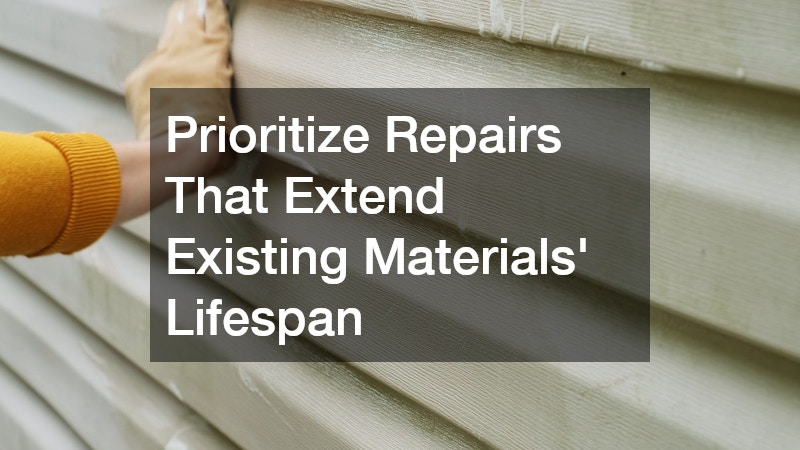
One of the most effective ways to reduce environmental impact during home improvement is to preserve and extend the life of existing materials whenever possible. Manufacturing, transporting, and installing new materials all carry a high environmental cost. When functional components are discarded too soon, that cost multiplies unnecessarily.
Replacement often feels like the default option, especially when visible wear appears. However, repair is frequently the more sustainable—and economical—choice. Many building components are designed to last far longer than homeowners realize, provided they receive timely maintenance and targeted fixes.
Roofing is a clear example. Addressing minor issues early through roof repair can prevent widespread damage that would otherwise require a full tear-off. Small leaks, cracked flashing, or missing shingles may seem insignificant, but left unattended, they allow moisture to penetrate deeper layers of the home. Over time, this leads to insulation damage, wood rot, and structural decay—each of which dramatically increases material waste and energy loss.
When replacement is unavoidable, the focus should shift to longevity rather than appearance alone. Choosing durable roofing products reduces how often materials end up in landfills and lowers the resource demand associated with frequent replacements. Materials with longer service lives also reduce the environmental impact tied to manufacturing, transportation, and repeated labor. Over decades, these choices add up to substantial reductions in waste and emissions.
Key principles for extending material lifespan include:
- Inspecting components regularly to catch issues before they escalate
- Repairing localized damage instead of replacing entire systems
- Selecting replacement materials based on proven lifespan, not short-term trends
- Weighing long-term environmental impact against short-term savings
Homes that are maintained with longevity in mind consume fewer resources over time and remain functional longer without disruptive overhauls. By prioritizing repairs and thoughtful material choices, homeowners can significantly reduce environmental impact while still achieving meaningful, lasting improvements.
Work With Systems That Improve Water Efficiency and Longevity
Water efficiency is one of the most overlooked aspects of sustainable homeownership. Aging plumbing systems often waste water silently through buildup, corrosion, or restricted flow, long before a visible failure occurs. Addressing these inefficiencies early improves performance while reducing environmental strain.
One preventive approach involves clearing internal pipe obstructions using a hydrojetting service. Over time, grease, sediment, mineral deposits, and debris accumulate inside pipes, forcing systems to work harder and increasing the likelihood of leaks or backups. Clearing those obstructions restores flow without replacing pipes, which saves materials and reduces waste.
Routine maintenance with a local plumber can also make a significant difference. Professionals familiar with regional water quality and building standards are better equipped to identify inefficiencies, aging components, and small issues that could escalate if ignored. Preventive work often uses fewer resources than emergency repairs and avoids water loss caused by system failures.
Sustainable plumbing strategies include:
- Maintaining existing pipes instead of defaulting to replacement
- Improving flow efficiency to reduce water and energy usage
- Monitoring pressure to prevent stress-related leaks
- Addressing buildup before it leads to pipe failure
Homes with efficient plumbing systems not only conserve water but also reduce the energy required to heat, pump, and distribute it.
Make Exterior Improvements That Protect Surrounding Surfaces
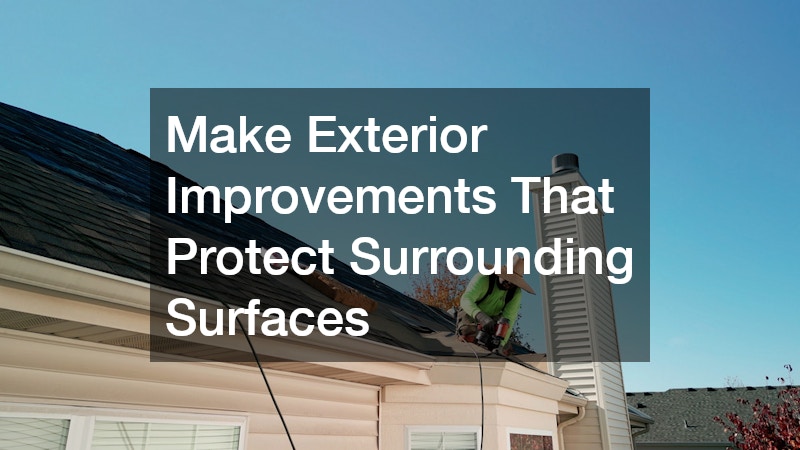
Exterior improvements have a significant environmental footprint, especially when they alter how water flows across the property or how heat is absorbed and retained. Changes to exterior surfaces, even when well-intentioned, can affect drainage patterns, soil stability, and surrounding ecosystems. Sustainable upgrades take these factors into account by focusing on preserving and enhancing existing features rather than expanding or rebuilding unnecessarily.
Preserving hardscape surfaces is one of the most effective ways to reduce exterior-related waste. Regular maintenance through a driveway sealing service extends the life of existing pavement, prevents cracking, and reduces the need for full replacement. Small surface cracks, when left untreated, allow water to seep in, leading to expansion, heaving, and structural breakdown over time. Sealed surfaces are more resistant to moisture infiltration, freeze-thaw cycles, oil spills, and chemical damage, all of which contribute to premature deterioration and increased material waste.
In addition to durability, well-maintained hardscaping supports better water management. Properly sealed surfaces help control how water moves across the property, reducing erosion and limiting the amount of sediment that enters storm drains or surrounding soil. This contributes to healthier landscaping and lowers the risk of water pooling near foundations, which can cause long-term structural issues.
Outdoor living upgrades can also be approached sustainably by prioritizing flexibility and passive comfort. Adding a local screen enclosure can increase usable space without fully enclosing or conditioning it, reducing the need for additional heating or cooling. Screened spaces provide shade, improve airflow, and create a comfortable transition between indoor and outdoor areas. Because they rely on natural ventilation rather than mechanical systems, they offer a lower-impact way to expand living space.
Screened enclosures also help reduce wear on interior spaces by encouraging outdoor use during mild weather. This decreases reliance on climate control systems and extends the life of indoor finishes. Additionally, limiting insect intrusion reduces the need for chemical repellents or pesticides, further supporting environmentally responsible living.
Environmentally mindful exterior improvements focus on:
- Protecting existing surfaces from premature failure through maintenance
- Improving usability without adding heavy infrastructure or enclosed space
- Managing runoff to prevent erosion and foundation damage
- Enhancing comfort through passive design strategies like shade and airflow
By prioritizing protection and efficiency, exterior upgrades support sustainability without increasing material consumption. These improvements help homeowners get more use out of what they already have while reducing long-term environmental impact.
Plan Renovations to Minimize Waste and Disruption
Renovation waste is one of the largest contributors to construction-related environmental impact. Large volumes of debris—from drywall and flooring to fixtures and framing—are often discarded simply because projects are rushed or poorly coordinated. When planning is incomplete, materials that could have been preserved or reused are damaged, removed prematurely, or replaced unnecessarily. This not only increases landfill waste but also drives demand for new materials, compounding the environmental cost.
Poor sequencing is a common source of waste. For example, completing work before underlying issues are resolved often leads to tear-outs when problems are discovered later. Repeating work due to scheduling conflicts or design changes further increases material loss and energy consumption. Careful planning at the outset helps ensure that each phase builds on the last, reducing the likelihood of rework.
Selective removal is often more sustainable than full demolition. Working with a demolition service that practices careful, targeted removal helps preserve reusable materials and reduces the volume of debris sent to landfills. Instead of tearing out entire sections, targeted removal allows homeowners to keep structural elements, cabinetry, or fixtures that are still functional. Salvaged materials can often be reused on-site, donated, or repurposed elsewhere, lowering the demand for new resources and reducing transportation-related emissions.
This approach also makes it easier to identify hidden issues early. By removing materials in stages, contractors can assess conditions behind walls or beneath floors without destroying surrounding components. This minimizes unnecessary damage and allows for more informed decision-making throughout the renovation process.
Logistics also matter. Coordinating a moving service during major renovations can protect furnishings and finished surfaces from damage, reducing the need for replacement or repair. Clearing work areas allows contractors to move efficiently, reduces the risk of accidents, and helps maintain cleaner job sites. Efficient logistics often lead to shorter project timelines, which in turn reduce energy use associated with lighting, equipment operation, and repeated site visits.
Waste-reducing renovation strategies include:
- Removing only what must be replaced, rather than defaulting to full tear-outs
- Protecting salvageable materials during construction with proper coverings and storage
- Staging projects to avoid overlapping damage between trades
- Minimizing downtime that increases energy use, labor hours, and material exposure
When renovations are planned with precision, they produce less waste, cost less over time, and place fewer demands on the environment. Thoughtful sequencing and careful handling of materials allow homeowners to achieve meaningful upgrades while significantly reducing their renovation footprint.
Upgrade Home Systems for Efficiency Without Over-Replacement
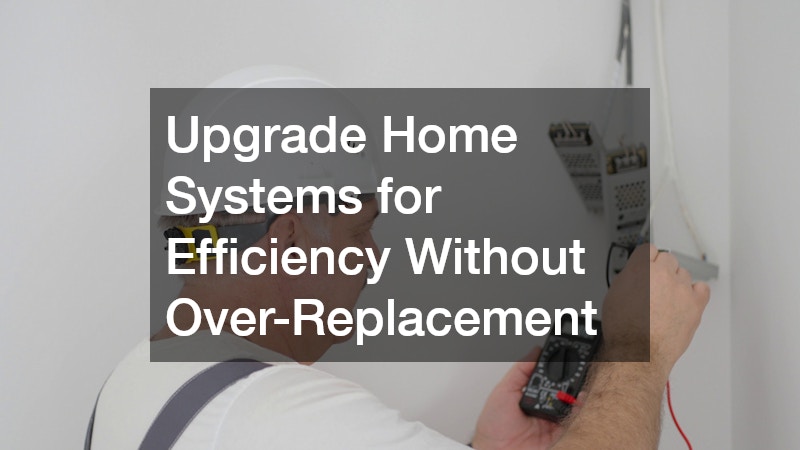
System upgrades are often framed as all-or-nothing decisions, but sustainability lies in evaluating whether targeted improvements can achieve the same results as full replacement. Many systems lose efficiency due to normal wear, mineral buildup, or outdated components rather than complete failure. When homeowners automatically opt for replacement, they often discard equipment that still has years of usable life remaining, increasing waste and unnecessary manufacturing demand.
A more sustainable approach begins with understanding how and why a system is underperforming. Declining efficiency is frequently the result of neglected maintenance, miscalibration, or small component failures that compound over time. Addressing these issues early can restore performance while preserving the majority of the original system.
Heating water is a major energy expense in most homes, making it a prime opportunity for efficiency gains. Addressing inefficiencies through water heater repair can restore performance, improve energy use, and extend system lifespan without discarding an otherwise functional unit. Sediment accumulation at the bottom of tanks forces heaters to work harder, while worn heating elements reduce output and increase energy draw. Simple fixes such as replacing heating elements, flushing sediment, insulating pipes, or adjusting temperature settings can significantly reduce energy consumption and improve reliability.
In many cases, these targeted improvements deliver immediate savings and reduce strain on the system, delaying the need for replacement by several years. This not only conserves materials but also reduces the environmental impact associated with manufacturing, transporting, and installing new equipment.
Roof inspections also play a role in system efficiency because the building envelope directly affects energy performance. Coordinating assessments with a roofing contractor can help identify ventilation issues, insulation gaps, or heat loss points that impact energy efficiency throughout the home. Poor ventilation can trap heat in warm months and moisture in cooler ones, while insulation gaps allow conditioned air to escape, forcing heating and cooling systems to work harder.
Addressing these issues often involves minor adjustments rather than major reconstruction. Sealing gaps, improving airflow, or correcting ventilation imbalances typically require far fewer materials than replacement and deliver long-term efficiency gains across multiple systems.
Sustainable system upgrade practices include:
- Repairing components that still have a functional lifespan rather than discarding them
- Improving efficiency through calibration, cleaning, and routine maintenance
- Coordinating upgrades to avoid redundant work or repeated disruptions
- Replacing systems only when repairs no longer provide meaningful value
By resisting the urge to replace everything at once, homeowners can achieve meaningful efficiency improvements with far less environmental impact. This approach reduces waste, lowers energy use, and supports long-term system performance without sacrificing comfort or reliability.
Long-term home improvements don’t have to come at the expense of the environment. When upgrades are guided by durability, efficiency, and thoughtful planning, they reduce waste instead of creating it. Homes maintained with this mindset perform better over time, cost less to operate, and require fewer disruptive renovations in the future. Sustainable improvement isn’t about sacrificing comfort—it’s about making decisions that hold up, year after year, for both the homeowner and the world around them.