
Renovating your home is the perfect moment to rethink how you heat and cool it, since walls are already open and old systems are already coming out. Too many homeowners default to replacing what they had rather than exploring smarter, more efficient options that could cut utility bills for decades to come. Whether you are adding a room, finishing a basement, or gutting your whole layout, the climate control decisions you make now will affect comfort and cost for years. This guide walks through the practical steps for choosing energy-smart heating and cooling during a renovation, without the industry jargon.
Assess Your Home’s Current Energy Losses Before Upgrading
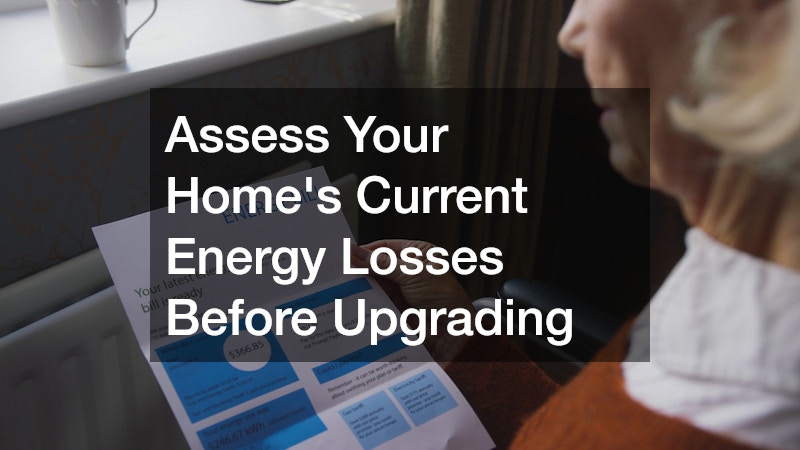
Before you invest in new equipment, figure out where your existing system is wasting energy. A renovation exposes wall cavities, attics, and ductwork, giving you a rare chance to seal leaks and add insulation before closing everything back up. Skipping this step often means paying for oversized equipment to compensate for a leaky building envelope. An energy audit, even a basic one, can reveal exactly where your money is escaping.
Many homeowners are surprised to learn that duct leakage alone can account for a significant chunk of wasted energy in forced-air systems. Addressing insulation and air sealing first often allows you to install smaller, less expensive equipment later. This sequencing saves money twice: once on the audit-driven fixes, and again on rightsizing your new system.
- Check attic and wall insulation levels against current recommendations for your climate zone
- Look for gaps around windows, doors, and penetrations for pipes or wiring
- Inspect ductwork for visible tears, disconnections, or crushed sections
- Ask about blower door testing to measure overall home air leakage
Compare Ducted and Ductless Systems for Your Layout
Renovations often open up the question of whether traditional ducted heating and cooling still make sense for your home’s new layout. If you are adding an addition, converting an attic, or finishing a garage, running new ductwork can be expensive and space-consuming. This is where a split air conditioning setup becomes worth serious consideration, since it delivers targeted comfort to individual rooms without the need for extensive ductwork.
Ductless systems also shine in older homes where duct installation would mean tearing into finished walls or ceilings you just paid to renovate. They allow for zoned temperature control, meaning you only heat or cool the rooms actually in use. For homeowners balancing budget and flexibility, comparing both options side by side before committing to a renovation plan is a smart move.
- Ducted systems work well for whole-home renovations with an accessible attic or crawl space
- Ductless options suit room additions, converted spaces, or homes without existing ducts
- Zoned systems can reduce energy waste by cooling only occupied areas
- Installation timelines differ significantly between the two approaches
Understand Efficiency Ratings Before You Buy New Equipment
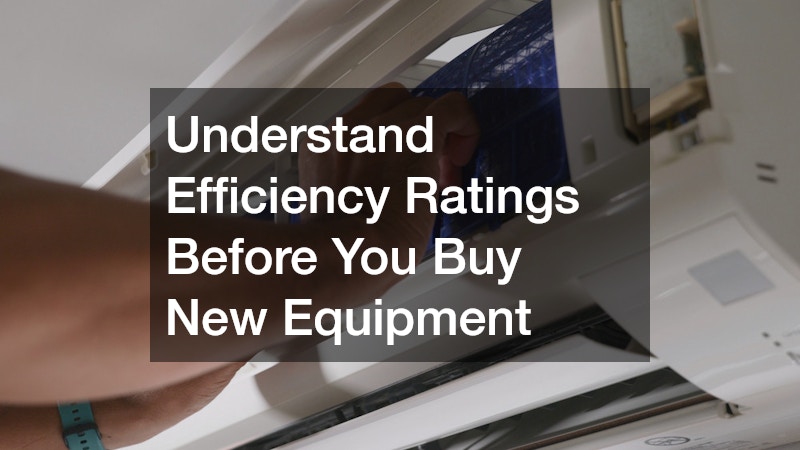
Every new heating and cooling unit comes with efficiency ratings that directly affect your long-term operating costs, yet many buyers skip past this information. SEER ratings for air conditioners and AFUE ratings for furnaces tell you how much energy is actually converted to comfort versus how much is wasted. Higher upfront costs for high-efficiency units often pay for themselves within several years through lower utility bills.
It helps to think of efficiency ratings as a long-term investment rather than a sticker price comparison. A unit with a higher rating may cost more initially, but in regions with extreme summers or winters, the savings can add up quickly. Ask several HVAC companies for the estimated annual operating cost of any unit you are considering, not just the purchase price, so you can compare quotes on equal footing.
- SEER2 ratings measure cooling efficiency for air conditioners and heat pumps
- AFUE ratings measure how efficiently furnaces convert fuel to heat
- ENERGY STAR-certified equipment typically exceeds minimum efficiency standards
- Rebates and tax credits are often tied to specific efficiency thresholds
Time Your Renovation Around Seasonal Equipment Availability
Scheduling matters more than most homeowners realize when planning a climate control upgrade. Ordering equipment and booking installation during the off-season, typically fall or early spring, often means shorter wait times and better pricing. Waiting until the peak of summer heat or winter cold to schedule your AC installation or furnace replacement can leave you competing with emergency service calls.
Renovation timelines also affect how smoothly new equipment integrates with other trades working in your home. Coordinating electrical, framing, and insulation work around your climate control installation prevents costly rework later. Planning several months ahead gives you room to research options rather than making a rushed decision under pressure.
- Late fall and early spring typically offer more flexible scheduling
- Ordering equipment early avoids delays tied to manufacturer backorders
- Coordinating with other renovation trades reduces the risk of installation conflicts
- Emergency replacements during peak seasons often cost more
Evaluate Smart Thermostats and Zoning Controls

A renovation is an ideal time to add smart thermostats and zoning systems that were difficult to retrofit before. These devices learn your household’s patterns and adjust temperatures automatically, often reducing energy use without any effort on your part. Multi-zone systems let you set different temperatures for bedrooms, living areas, and rarely used spaces like guest rooms.
Beyond convenience, smart controls give you visibility into your energy habits that older thermostats never could. Many models track usage over time and send alerts if they detect unusual patterns that might indicate a system malfunction. Pairing smart controls with new equipment during your renovation makes for a cleaner installation, since wiring and sensors can be planned alongside everything else.
- Programmable schedules reduce energy use during unoccupied hours
- Zoning dampers allow different temperatures in different parts of the home
- Remote access lets you adjust settings while away from home
- Usage reports help identify inefficient habits or failing equipment
Vet Contractors and Request Multiple Detailed Quotes
Choosing the right professional matters just as much as choosing the right equipment. A qualified AC contractor should be able to walk you through load calculations, explain why a particular unit size fits your home, and provide references from similar renovation projects. Avoid anyone who quotes a price without first assessing your home’s square footage, insulation, and layout.
It is worth getting at least three quotes from different HV AC contractors before making a decision, since pricing and recommendations can vary significantly. Ask each one about warranty terms, installation timelines, and what happens if problems arise after the work is complete. A written quote that breaks down labor, equipment, and permit costs separately gives you a clearer picture than a single bundled number.
- Request a Manual J load calculation rather than a rough estimate
- Ask for proof of licensing, insurance, and manufacturer certifications
- Compare warranty coverage on both equipment and labor
- Get references from recent renovation clients, not just new installs
Plan for Ongoing Maintenance After Installation
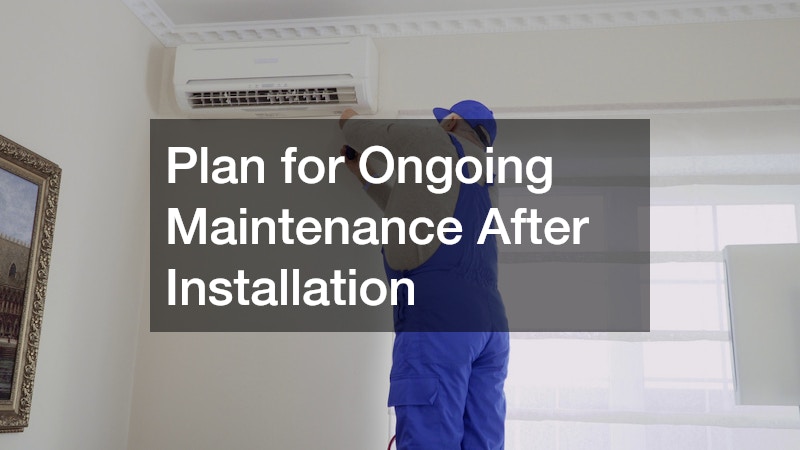
New equipment still requires regular upkeep to maintain its efficiency, and building a maintenance plan into your renovation budget prevents surprises down the road. Scheduling an annual AC tune-up keeps refrigerant levels, coils, and filters in good condition, which directly affects how much energy your system uses over its lifespan. Skipping maintenance is one of the most common reasons new systems underperform their efficiency ratings within just a few years.
Many homeowners assume brand-new equipment does not need attention right away, but small adjustments made early can prevent bigger issues later. Reliable HVAC services often include maintenance plans that bundle seasonal checkups at a discounted rate. Setting reminders or enrolling in a service plan when your system is installed makes it far less likely you will forget once the excitement of the renovation fades.
- Replace air filters every one to three months, depending on usage and household factors
- Schedule professional inspections at least once a year for each system
- Keep outdoor units clear of debris, plants, and mulch buildup
- Document maintenance visits to preserve warranty eligibility
Know When Repair Makes More Sense Than Full Replacement
Not every renovation requires replacing your entire climate control system, and sometimes targeted repairs are the more energy-smart choice. If your current unit is under ten years old, has been maintained on a regular schedule, and is still hitting its target temperatures without excessive cycling, it’s likely a strong candidate for AC repair rather than replacement.
In these cases, investing in air conditioning and heating repair alongside efficiency upgrades like better insulation, sealed ductwork, or a smart thermostat may deliver strong results without the cost of full replacement. These smaller fixes—patching a refrigerant leak, replacing a worn capacitor, or cleaning coils—often cost a few hundred dollars rather than the several thousand a new system demands, while still noticeably improving performance.
A good rule of thumb many contractors use is the “$5,000 rule”: multiply the repair cost by the age of the unit, and if the total is under $5,000, repair is usually the more economical path. But cost isn’t the only factor—frequency of breakdowns, rising energy bills, and discontinued parts can all tip the scales toward replacement even on a relatively young system.
A qualified technician can assess whether your system’s remaining lifespan justifies the investment, checking components like the compressor, heat exchanger, and electrical connections before you commit renovation dollars to either path.
On the other hand, older systems nearing the end of their expected lifespan often cost more to keep repairing than to replace outright. A common industry guideline is the “5,000 rule”: multiply the age of your unit by the cost of the repair, and if that number exceeds $5,000, replacement is usually the smarter financial move. For a 12-year-old furnace, that means a $450 repair bill is already crossing the line, even though the fix itself seems affordable in isolation.
Frequent breakdowns, rising utility bills, and difficulty finding replacement parts are all signs that it may be time to move on. Most furnaces and air conditioners are built to last 15 to 20 years, and once a system passes that mark, efficiency naturally declines even with regular maintenance. If your contractor mentions that a part is discontinued or has to be special-ordered from overseas, that’s often a sign the manufacturer considers the unit obsolete.
Getting an honest opinion from someone who is not trying to sell you new equipment, such as a second inspection, can help you make an unbiased call. Look for a technician who offers diagnostic-only visits rather than bundling the inspection with a sales pitch for their own replacement units. It’s also worth asking them to walk you through the specific readings or wear patterns that led to their recommendation, so you understand the reasoning rather than just taking their word for it.
- Systems under ten years old with minor issues — like a faulty capacitor or worn belt — are often worth repairing, especially if the fix costs less than $500
- Frequent breakdowns in a single season signal declining reliability, even if each repair seems minor on its own
- Rising energy bills despite normal usage suggest declining efficiency, often from worn components, forcing the system to work harder
- Replacement parts for older models can become expensive or hard to find, particularly for units over 15 years old or discontinued lines
- A common rule of thumb: if repair costs exceed 50% of a new system’s price, replacement is usually the smarter long-term investment
- Factor in your local climate and usage patterns — a system nearing end-of-life may still limp through mild seasons but fail during peak heat or cold
Research Local Rebates and Financing Options
Energy-efficient upgrades often come with financial incentives that can significantly offset renovation costs, yet many homeowners never look into them. Utility companies, state programs, and federal tax credits frequently offer rebates for high-efficiency equipment installed during a renovation. These programs change often, so checking current offerings before finalizing your equipment choice is worthwhile.
Financing options through equipment manufacturers or local lenders can also make higher-efficiency systems more accessible upfront. Some programs specifically reward homeowners who bundle insulation, air sealing, and equipment upgrades together, recognizing that a whole-home approach delivers better results than piecemeal changes. Researching these options before your renovation budget is finalized gives you more room to choose the most efficient system rather than settling for the cheapest one.
- Check state energy office websites for current rebate programs
- Ask your utility company about efficiency-based incentive programs
- Look into federal tax credits tied to ENERGY STAR equipment
- Compare manufacturer financing plans against local lender rates
Choosing energy-smart climate control during a renovation takes more upfront research than simply replacing old equipment with something similar, but the payoff shows up in lower bills and better comfort for years afterward. Start by addressing insulation and air sealing, then compare system types, efficiency ratings, and controls before requesting detailed quotes from qualified professionals. Taking these steps in order ensures every dollar of your renovation budget works harder for your home’s long-term comfort.